I spend a lot of time here telling writers how and why to use social media, but I don’t often address the dangers. Yeah, they exist. I don’t know why, but otherwise sensible people can morph into irrational brutes when they’ve got their fingers on a keyboard and a connection to the Interwebz.
Bad behavior abounds in all social media. In an article in the NYT last week, Henry Alford said Twitter can be like "a crowded barroom that bristles with a certain kind of white male rage...marked by a hostility toward anything poetic or naïve."
The easy anonymity of the Interwebz is usually blamed for the nastiness—and I admit things have felt safer here since I disabled anonymous comments—but I think the most egregious abuses spring from something far more dangerous: mob mentality. A gang of self-righteously indignant “groupthinkers” can do more damage than one lone anonymouse, even a sociopathic one.
"Groupthink" is defined by Merriam-Webster as “a pattern of thought characterized by self-deception, forced manufacture of consent, and conformity to group values.” It's also known as “the hive mind.”
Writers new to social media need to be aware that anybody can become a target of one of these groups—often people who have done nothing wrong—and we all need to be careful not to jump into online dogpiles of crazy, no matter how righteous the cause appears to be.
Unfortunately, it’s easy to be sucked into mob behavior. Somebody says something that doesn’t conform to the majority opinion in a forum or comment thread and suddenly you’re part of a frenzied mob going after Mr. or Ms. Nonconformist with the digital version of torches and pitchforks.
I’ve seen Twitter version called “Twitchforks” —great word.
If you’ve ever become part of one of those mobs, you probably felt awful later. And if you’ve been the victim, you know their power to hurt, especially if the crazy invades your real home and affects your health and livelihood.
It happened to me in 2011. I endured a month-long barrage of threats and insults after somebody misunderstood one of my blogposts. I got hit with real world consequences: panic attacks, disordered sleep and stress-related illness. I thought I was taking it in stride, but the trauma of a death threat stays with you.
Thing is: most of the people who attacked me thought they were doing good. I've even made friends with some of them since.
Wanting to belong to a group is an instinct older than humanity. We were tribal animals before we walked upright. A recent study shows monkeys will go along with the crowd even if it means eating yucky food.
So it’s natural to carry our instinct to form tribes into the world of social media. Joining an online group can give us a warm, supportive feeling of community. It can make us feel welcome in the alien environment of cyberspace. Other members can teach and help each other on the road to success.
But the same instinct that urges us to help each other can be misdirected to do terrible harm. Especially if we’re led to believe our actions are sanctioned—or required—by the tribe. An us/them mentality can make people do unspeakable things in the name of protecting their own.
A minor, but significant attack by a cybermob with Twitchforks happened recently at the Pikes Peak Writers Conference. A bunch of agents, objecting to a keynote speech by author Barry Eisler, set off a swarm of nasty Twitter barbs against Mr. Eisler during his presentation.
The incident reverberated through the book community and serves as an embarrassing example of how even respected professionals can morph into a mob through the magic of the Internet.
Another more disturbing mob attack happened when superstar author Anne Rice had an over-the-top reaction to a bad review on Facebook and sent her fans to attack the reviewer—a young UK blogger with fewer than 100 readers. Rice's hordes called the reviewer obscene names and pelted her blog with classy comments like "I hope you get herpes." Kayleigh, the blogger, took the barrage of anger with grace. (I'll bet she got a lot more followers out of this.)
But I'm sure most of those commenters thought they were doing good in defending their idol.
When a group of people band together, they can be an unstoppable force. As Margaret Mead said,
“Never underestimate the power of a small group of committed people to change the world.”
Unfortunately, that needs a corollary:
“Never underestimate the power of a small group of misguided people to devolve into a mindless, bloodthirsty mob.”
That hive/gang mind that can do so much good can also be one of the most dangerous forces in the universe. It can make people do things they’d never dream of doing as individuals.
The hive mind is what powers pogroms, gang rapes, witch hunts, lynchings, war and genocide.
There’s a reason some of the most horrifying SciFi villains are semi-human creatures that share an unreasoning, destructive mind: like The Borg on Star Trek and Dr. Who’s Daleks.
I’ve seen dozens of good people attacked by gangs on social media in the past year or so. Usually for unverified infractions of murky rules. I’m not sure the people who sent me death threats even knew what I was supposed to have done. (I’m still not clear on that myself.) They only knew somebody told them the hive was under attack, and I was the designated villain.
Plus they were getting a rush from their own smug, self-righteous rage.
It’s that rage-induced high and feeling of superiority that is probably at the root of the problem. Anger management specialists tell us that self-righteous rage can trigger brain chemicals that mimic the high of cocaine. And it’s just as addictive. The angrier people are, the better they feel, so they feed their rage, often with unsubstantiated rumors their rational mind would recognize as lies. It’s why radio-ranters and conspiracy theorists are so popular.
Unfortunately a lot of those rage addicts feed their habit on the Interwebz.
Jaron Lanier, one of the early pioneers in Internet technology, has preached against this phenomenon for years. He has long warned people of what he calls “digital barbarism.” He sees terrible danger in “instant twitchy social networks which are designed to create mass action. “
And they get twitchier all the time. Look how one tweet in April nearly crashed the Stock Market.
In an interview with Ron Rosenbaum in the Smithsonian magazine in January, Jaron Lanier said,
“This is the thing that continues to scare me. You see in history the capacity of people to congeal—like social lasers of cruelty. That capacity is constant.”
For more on this, Lanier has a new book coming out this week, Who Owns the Future?
I saw one of those lasers aimed at an Internet friend this week. She was a much less high-profile target than Barry Eisler, so the “social laser” could get away with a lot more cruelty. She was erroneously accused of piracy (a buzz-word guaranteed to set the hive-mind swarming.) The accuser didn’t deal with her directly. Instead he tweeted a call for the hive to attack. The victim was humiliated and castigated by dozens of authors (some of whom I know to be otherwise sensible individuals.) One rage-fueled smugster even posted the home address where the accused author lives with her disabled child.
The victim had the sense to call the FBI. Which is what I should have done when the crazies started sending me photos of my house and telling me they were armed and they’d “get me.”
She and I join the hundreds—probably thousands—who have had our homes and families targeted by mindless attacks by various branches of the online book community. Yes, these people are our fellow writers, readers, and reviewers. And I'm sure they all think they're doing good.
Terrorizing victims and their families in their homes seems to be a pattern with the booky hive-mind. As is the fake review attack.
Posting addresses and photos of family seems to come from a twisted misunderstanding of what used to be done to silence anonymous trolls—stemming from the outing of hatemongers like “Violentacrez”, who terrorized Reddit a few years ago. Some clever person discovered his real name and residence and posted them online to keep the troll from continuing to pollute the site with anonymous hate speech.
But somehow these literary vigilantes don’t see how that’s different from posting the personal addresses and family details of a fellow author or reviewer who is NOT anonymous in the first place.
Talk about unclear on the concept…
But hey, nobody ever accused the Hive Mind of being smart. Ever tried to reason with a swarm of bees?
The other weapon of choice of the book hive is equally stupid and clueless. Wielding one-star reviews as weapons to assault the author’s character undermines the whole literary community by rendering customer reviews worthless.
Mind you, these cyber-militias claim to be standing up for the “integrity” of the writing community. They think writing fake, libelous “reviews” of books they haven’t read is a great way to show how honorable they are.
Come to think of it, those bees look pretty smart and reasonable in comparison.
Nobody can stop groupthink-bullying on the Interwebz, but you can do your part by refusing to participate.
1) Check facts. Before you join in a cyber-attack sparked by a tweet or a FB post or other online call to jihad, read real news sources, not garbled hysteria from other members of the frenzied tribe.
2) Take a breath: Five seconds in; five seconds out. This will bring down your heart rate and give you time to remember that you have not, in actuality, been assimilated by the Borg.
3) Remember why you’re on social media in the first place. Are you here to alienate all potential readers who favor a different publishing path from yours, hate prologues, or prefer LeStat to Edward Cullen? Or are you here to make friends you hope will buy your books some day?
4) Consider what Joe Konrath said in his post about the attacks on Eisler:
The Internet is forever. Things you say will always be there to come back and bite you.”
And they WILL bite you. Especially if you—
5) Listen to the wise words of Porter Anderson, from his April 26th Writing on the Ether post:
“I recommend we create a little code for our community. ‘Pikes Peak.’ As in ‘Remember Pikes Peak’. If we see a conversation, a presentation, a thread online starting to spiral out of control, maybe if we remember Pikes Peak it will help us recall a sequence of negative emotions and reactions that we really don’t need to revisit.”
You can’t. Not entirely. Barry Eisler’s speech was anything but incendiary. The accused “pirate” was actually promoting her favorite authors' work. I was attacked for writing a piece on my own blog to help fellow Boomers who aren't Web savvy. I admit I was naïve. But we’re all naïve about something.
However there are some things I could have done.
1) Contact law enforcement if your safety is threatened. The FBI has a hotline to report cybercrimes.
2) Delete out-of-control threads in your own blog before rage escalates. If a thread on your own blog gets out of hand, or a bunch of commenters gang up on another, just hit the little trash can icon. I used to think it was better to hang in there—and it probably was in the case of the Anne Rice fan attack—but when things get nasty on your blog, it can reflect on you. A lot of the stuff that made people most angry at me were things other people said in the blog thread, which were later attributed to me in the subsequent game of blog telephone.
3) But don’t delete messages and comments that are actually criminal. At least save a screen shot. You may need them for evidence. (I made this mistake. I thought deleting them from my computer would delete them from my mind. Doesn't work that way.)
4) Stay away from gang-infested forums and websites. Any forum that projects a them/us mentality can be dangerous. For some reason, the oldest forums seem to be plagued with the most groupthink and snark. A whole lot of writers no longer feel safe at Absolute Write, so I’ve stopped recommending them. Ditto the Amazon Forums (the Kindleboards tend to be a bit more civilized, but don’t expect many warm fuzzies.) Reddit could be toxic in the days of Violenticrez. I don't know if it has improved. I’ve also heard some Goodreads groups can get pretty nasty, but I belong to some great ones.
5) Look for community at moderated, helpful forums like Kristen Lamb's WANAtribe, Nathan Bransford’s forums, CritiqueCircle.com and SheWrites. (If you know of more good ones, do let us know in the comments.) I’ve left all the LinkedIn writing groups I belonged to because of idiots taking over the threads to stage one-on-one combat (and the misguided guys who think it's a dating site) but I haven’t seen overt gang activity. Maybe some of you know some good groups there.
6) Be careful where you post comments. Some blogs are heavily weighted pro- or anti- self-publishing or pro- or anti- author and may be controlled by a hive mind. If you see name-calling or blanket dismissal of a whole segment of the population by a blogger, you have wandered into a private clubhouse of snark and your time will be better spent elsewhere.
The internet book community is ours to create. We can become a jungle of irrational, violent thugs, or we can behave like literate, civilized adults. If you have a personal problem with an individual, consider talking to him or her about it in a reasonable, non-accusatory way. If the person is misusing a forum, or you see criminal activity, leave the group temporarily and contact the appropriate authorities.
As Konrath said—
“Have the integrity to defend your public statements and the courage to respond to people with different views.”
Probably braying “Exterminate. Exterminate. Exterminate….” like a Dalek is not what he means by "courage."
Here's my own message to anybody who is tempted to "go along with the crowd" and persecute a fellow writer rather than engage in intelligent discourse.
Remember you have your very own personal brain. Even when you’re on the Interwebz. Use it.
How about you, scriveners? Have you been the victim of a cyber-gang? What did you do about it? Have you ever found yourself being swept up in a gang-frenzy, saying things you later regretted? What groups and forums do you consider safe for writers who are new to social media?
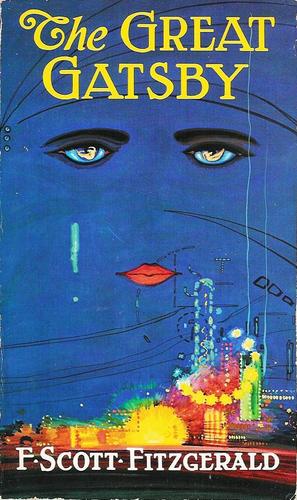 This week, in honor of the debut of the new film of The Great Gatsby, and of course the Stephen Colbert Book Club, which has made Fitzgerald's classic the #1 Bestseller on Amazon, Anne will be making the rounds talking about her own novel about a real-life Gatsby-obsessed con man, the Gatsby Game. ONLY 99c until the end of May!
 On Monday, May 6th, THE GATSBY GAME will be featured at reviewer Donna Hole's blog. with an in-depth look at the real events that inspired the novel.
And I'll also be at Janet Boyer's Blog, giving my #1 piece of advice for new authors.
On Tuesday, May 7th, THE GATSBY GAME will be featured on The Cheap Ebook. Anne is going to be talking about the new film, and how she feels about a giving a contemporary soundtrack to the greatest story of the Jazz Age. She'll also be talking about the real Gatsby-obsessed man who inspired her novel.
On Thursday, May 9, I'll be talking about the real-life Hollywood mystery behind THE GATSBY GAME with Elaine Raco Chase at the Author's Corner at Triangle Variety Radio.
OPPORTUNITY ALERTS:
1) Win a free book cover makeover! Westin Lee's Cover Cleaning Contest. Are your sales sluggish? It could be your cover. In this fun contest—open to self published writers and writers with small presses who have permission from their publishers. There's an easy online form. But you've only got a week. Winner and runner up will be announced May 15th, so get going!!
2) The Saturday Evening Post’s Second Annual Great American Fiction Contest—yes, THAT Saturday Evening Post—is holding a short fiction contest. Could you join the likes of F. Scott Fitzgerald; William Faulkner; Kurt Vonnegut, Jr.; Ray Bradbury; Louis L’Amour; Sinclair Lewis; Jack London; and Edgar Allan Poe? $10 entry fee Deadline July 1, 2013
3) FREE book advertising to British readers from EbookBargainsUK Lots of authors and publishers have had huge successes with their free or sale books by advertising on BookBub, ENT, KND, POI, etc. But none of those target the UK, and their links go to US sites Brits can't use. But now there’s a newsletter for UK readers only. It links to all the big UK retailers like Apple UK, Waterstones and Foyles as well as Amazon UK. They don’t sell books direct or get paid for clickthroughs, so they don't have any restrictions on how many free books they can spotlight like BookBub and the others. So it's THE place to tell Brits about your book when it goes free or on sale in the UK. Since Brits have the highest number of readers per capita of any country in the world, this looks like a great idea to me: Plus: the site will be offering FREE book ads until May 31st, on a first come, first served basis.
And if you're in the UK, do sign up for their newsletter. It brings links to free and bargain ebooks—at the UK bookstore of your choice—in your inbox every morning. You can subscribe here.
4) The Lyttoniad contest for the WORST first sentence of a novel. The classic Bulwer-Lytton Contest makes news every year. Each entry must consist of a single sentence but you may submit as many entries as you wish. E-mail entries should be sent to Scott Rice at srice@pacbell.net in the body of the message, Ariel 12 font. One e-mail may contain multiple entries. Entries will be judged by categories, from “general” to detective, western, science fiction, romance, and so on. There will be overall winners as well as category winners. Deadline is June 30th. No prizes that I know of, but lots of admiration from your fellow writers.
Writers new to social media need to be aware that anybody can become a target of one of these groups—often people who have done nothing wrong—and we all need to be careful not to jump into online dogpiles of crazy, no matter how righteous the cause appears to be.
Unfortunately, it’s easy to be sucked into mob behavior. Somebody says something that doesn’t conform to the majority opinion in a forum or comment thread and suddenly you’re part of a frenzied mob going after Mr. or Ms. Nonconformist with the digital version of torches and pitchforks.
I’ve seen Twitter version called “Twitchforks” —great word.
If you’ve ever become part of one of those mobs, you probably felt awful later. And if you’ve been the victim, you know their power to hurt, especially if the crazy invades your real home and affects your health and livelihood.
It happened to me in 2011. I endured a month-long barrage of threats and insults after somebody misunderstood one of my blogposts. I got hit with real world consequences: panic attacks, disordered sleep and stress-related illness. I thought I was taking it in stride, but the trauma of a death threat stays with you.
Thing is: most of the people who attacked me thought they were doing good. I've even made friends with some of them since.
Wanting to belong to a group is an instinct older than humanity. We were tribal animals before we walked upright. A recent study shows monkeys will go along with the crowd even if it means eating yucky food.
So it’s natural to carry our instinct to form tribes into the world of social media. Joining an online group can give us a warm, supportive feeling of community. It can make us feel welcome in the alien environment of cyberspace. Other members can teach and help each other on the road to success.
But the same instinct that urges us to help each other can be misdirected to do terrible harm. Especially if we’re led to believe our actions are sanctioned—or required—by the tribe. An us/them mentality can make people do unspeakable things in the name of protecting their own.
A minor, but significant attack by a cybermob with Twitchforks happened recently at the Pikes Peak Writers Conference. A bunch of agents, objecting to a keynote speech by author Barry Eisler, set off a swarm of nasty Twitter barbs against Mr. Eisler during his presentation.
The incident reverberated through the book community and serves as an embarrassing example of how even respected professionals can morph into a mob through the magic of the Internet.
Another more disturbing mob attack happened when superstar author Anne Rice had an over-the-top reaction to a bad review on Facebook and sent her fans to attack the reviewer—a young UK blogger with fewer than 100 readers. Rice's hordes called the reviewer obscene names and pelted her blog with classy comments like "I hope you get herpes." Kayleigh, the blogger, took the barrage of anger with grace. (I'll bet she got a lot more followers out of this.)
But I'm sure most of those commenters thought they were doing good in defending their idol.
When a group of people band together, they can be an unstoppable force. As Margaret Mead said,
“Never underestimate the power of a small group of committed people to change the world.”
Unfortunately, that needs a corollary:
“Never underestimate the power of a small group of misguided people to devolve into a mindless, bloodthirsty mob.”
That hive/gang mind that can do so much good can also be one of the most dangerous forces in the universe. It can make people do things they’d never dream of doing as individuals.
The hive mind is what powers pogroms, gang rapes, witch hunts, lynchings, war and genocide.
There’s a reason some of the most horrifying SciFi villains are semi-human creatures that share an unreasoning, destructive mind: like The Borg on Star Trek and Dr. Who’s Daleks.
I’ve seen dozens of good people attacked by gangs on social media in the past year or so. Usually for unverified infractions of murky rules. I’m not sure the people who sent me death threats even knew what I was supposed to have done. (I’m still not clear on that myself.) They only knew somebody told them the hive was under attack, and I was the designated villain.
Plus they were getting a rush from their own smug, self-righteous rage.
It’s that rage-induced high and feeling of superiority that is probably at the root of the problem. Anger management specialists tell us that self-righteous rage can trigger brain chemicals that mimic the high of cocaine. And it’s just as addictive. The angrier people are, the better they feel, so they feed their rage, often with unsubstantiated rumors their rational mind would recognize as lies. It’s why radio-ranters and conspiracy theorists are so popular.
Unfortunately a lot of those rage addicts feed their habit on the Interwebz.
Jaron Lanier, one of the early pioneers in Internet technology, has preached against this phenomenon for years. He has long warned people of what he calls “digital barbarism.” He sees terrible danger in “instant twitchy social networks which are designed to create mass action. “
And they get twitchier all the time. Look how one tweet in April nearly crashed the Stock Market.
In an interview with Ron Rosenbaum in the Smithsonian magazine in January, Jaron Lanier said,
“This is the thing that continues to scare me. You see in history the capacity of people to congeal—like social lasers of cruelty. That capacity is constant.”
For more on this, Lanier has a new book coming out this week, Who Owns the Future?
I saw one of those lasers aimed at an Internet friend this week. She was a much less high-profile target than Barry Eisler, so the “social laser” could get away with a lot more cruelty. She was erroneously accused of piracy (a buzz-word guaranteed to set the hive-mind swarming.) The accuser didn’t deal with her directly. Instead he tweeted a call for the hive to attack. The victim was humiliated and castigated by dozens of authors (some of whom I know to be otherwise sensible individuals.) One rage-fueled smugster even posted the home address where the accused author lives with her disabled child.
The victim had the sense to call the FBI. Which is what I should have done when the crazies started sending me photos of my house and telling me they were armed and they’d “get me.”
She and I join the hundreds—probably thousands—who have had our homes and families targeted by mindless attacks by various branches of the online book community. Yes, these people are our fellow writers, readers, and reviewers. And I'm sure they all think they're doing good.
- I saw it happen last year to a bestselling author who nearly lost a major national award because of a similar army of cyber-jihadists, feeding on rage fuelled by misinformation.
- There was a Goodreads group of bullies/antibullies (all the same at this point) who attacked each other last summer by posting addresses and photos of their children.
- A similar vigilante attack was waged against a disabled veteran who set up a book sharing site that was accused of piracy.
- And later the people who were swept up in the anti-piracy mob were targeted with attack-swarms of one-star “reviews” on Amazon and Goodreads.
Terrorizing victims and their families in their homes seems to be a pattern with the booky hive-mind. As is the fake review attack.
Posting addresses and photos of family seems to come from a twisted misunderstanding of what used to be done to silence anonymous trolls—stemming from the outing of hatemongers like “Violentacrez”, who terrorized Reddit a few years ago. Some clever person discovered his real name and residence and posted them online to keep the troll from continuing to pollute the site with anonymous hate speech.
But somehow these literary vigilantes don’t see how that’s different from posting the personal addresses and family details of a fellow author or reviewer who is NOT anonymous in the first place.
Talk about unclear on the concept…
But hey, nobody ever accused the Hive Mind of being smart. Ever tried to reason with a swarm of bees?
The other weapon of choice of the book hive is equally stupid and clueless. Wielding one-star reviews as weapons to assault the author’s character undermines the whole literary community by rendering customer reviews worthless.
Mind you, these cyber-militias claim to be standing up for the “integrity” of the writing community. They think writing fake, libelous “reviews” of books they haven’t read is a great way to show how honorable they are.
Come to think of it, those bees look pretty smart and reasonable in comparison.
So what can we do about cyber-gangs?
Nobody can stop groupthink-bullying on the Interwebz, but you can do your part by refusing to participate.
1) Check facts. Before you join in a cyber-attack sparked by a tweet or a FB post or other online call to jihad, read real news sources, not garbled hysteria from other members of the frenzied tribe.
2) Take a breath: Five seconds in; five seconds out. This will bring down your heart rate and give you time to remember that you have not, in actuality, been assimilated by the Borg.
3) Remember why you’re on social media in the first place. Are you here to alienate all potential readers who favor a different publishing path from yours, hate prologues, or prefer LeStat to Edward Cullen? Or are you here to make friends you hope will buy your books some day?
4) Consider what Joe Konrath said in his post about the attacks on Eisler:
The Internet is forever. Things you say will always be there to come back and bite you.”
And they WILL bite you. Especially if you—
- Participate in snark attacks or throw “Twitchforks”
- Denigrate the review process with fake 1&2 star "reviews"
- Spread unsubstantiated, harmful rumors
- Sabotage a fellow author’s livelihood
- Threaten a person’s life and/or family
- Make personal attacks on reviewers
5) Listen to the wise words of Porter Anderson, from his April 26th Writing on the Ether post:
“I recommend we create a little code for our community. ‘Pikes Peak.’ As in ‘Remember Pikes Peak’. If we see a conversation, a presentation, a thread online starting to spiral out of control, maybe if we remember Pikes Peak it will help us recall a sequence of negative emotions and reactions that we really don’t need to revisit.”
How can we avoid becoming gang victims?
You can’t. Not entirely. Barry Eisler’s speech was anything but incendiary. The accused “pirate” was actually promoting her favorite authors' work. I was attacked for writing a piece on my own blog to help fellow Boomers who aren't Web savvy. I admit I was naïve. But we’re all naïve about something.
However there are some things I could have done.
1) Contact law enforcement if your safety is threatened. The FBI has a hotline to report cybercrimes.
2) Delete out-of-control threads in your own blog before rage escalates. If a thread on your own blog gets out of hand, or a bunch of commenters gang up on another, just hit the little trash can icon. I used to think it was better to hang in there—and it probably was in the case of the Anne Rice fan attack—but when things get nasty on your blog, it can reflect on you. A lot of the stuff that made people most angry at me were things other people said in the blog thread, which were later attributed to me in the subsequent game of blog telephone.
3) But don’t delete messages and comments that are actually criminal. At least save a screen shot. You may need them for evidence. (I made this mistake. I thought deleting them from my computer would delete them from my mind. Doesn't work that way.)
4) Stay away from gang-infested forums and websites. Any forum that projects a them/us mentality can be dangerous. For some reason, the oldest forums seem to be plagued with the most groupthink and snark. A whole lot of writers no longer feel safe at Absolute Write, so I’ve stopped recommending them. Ditto the Amazon Forums (the Kindleboards tend to be a bit more civilized, but don’t expect many warm fuzzies.) Reddit could be toxic in the days of Violenticrez. I don't know if it has improved. I’ve also heard some Goodreads groups can get pretty nasty, but I belong to some great ones.
5) Look for community at moderated, helpful forums like Kristen Lamb's WANAtribe, Nathan Bransford’s forums, CritiqueCircle.com and SheWrites. (If you know of more good ones, do let us know in the comments.) I’ve left all the LinkedIn writing groups I belonged to because of idiots taking over the threads to stage one-on-one combat (and the misguided guys who think it's a dating site) but I haven’t seen overt gang activity. Maybe some of you know some good groups there.
6) Be careful where you post comments. Some blogs are heavily weighted pro- or anti- self-publishing or pro- or anti- author and may be controlled by a hive mind. If you see name-calling or blanket dismissal of a whole segment of the population by a blogger, you have wandered into a private clubhouse of snark and your time will be better spent elsewhere.
The internet book community is ours to create. We can become a jungle of irrational, violent thugs, or we can behave like literate, civilized adults. If you have a personal problem with an individual, consider talking to him or her about it in a reasonable, non-accusatory way. If the person is misusing a forum, or you see criminal activity, leave the group temporarily and contact the appropriate authorities.
As Konrath said—
“Have the integrity to defend your public statements and the courage to respond to people with different views.”
Probably braying “Exterminate. Exterminate. Exterminate….” like a Dalek is not what he means by "courage."
Here's my own message to anybody who is tempted to "go along with the crowd" and persecute a fellow writer rather than engage in intelligent discourse.
Remember you have your very own personal brain. Even when you’re on the Interwebz. Use it.
How about you, scriveners? Have you been the victim of a cyber-gang? What did you do about it? Have you ever found yourself being swept up in a gang-frenzy, saying things you later regretted? What groups and forums do you consider safe for writers who are new to social media?
***

And I'll also be at Janet Boyer's Blog, giving my #1 piece of advice for new authors.
On Tuesday, May 7th, THE GATSBY GAME will be featured on The Cheap Ebook. Anne is going to be talking about the new film, and how she feels about a giving a contemporary soundtrack to the greatest story of the Jazz Age. She'll also be talking about the real Gatsby-obsessed man who inspired her novel.
On Thursday, May 9, I'll be talking about the real-life Hollywood mystery behind THE GATSBY GAME with Elaine Raco Chase at the Author's Corner at Triangle Variety Radio.
OPPORTUNITY ALERTS:
1) Win a free book cover makeover! Westin Lee's Cover Cleaning Contest. Are your sales sluggish? It could be your cover. In this fun contest—open to self published writers and writers with small presses who have permission from their publishers. There's an easy online form. But you've only got a week. Winner and runner up will be announced May 15th, so get going!!
2) The Saturday Evening Post’s Second Annual Great American Fiction Contest—yes, THAT Saturday Evening Post—is holding a short fiction contest. Could you join the likes of F. Scott Fitzgerald; William Faulkner; Kurt Vonnegut, Jr.; Ray Bradbury; Louis L’Amour; Sinclair Lewis; Jack London; and Edgar Allan Poe? $10 entry fee Deadline July 1, 2013
3) FREE book advertising to British readers from EbookBargainsUK Lots of authors and publishers have had huge successes with their free or sale books by advertising on BookBub, ENT, KND, POI, etc. But none of those target the UK, and their links go to US sites Brits can't use. But now there’s a newsletter for UK readers only. It links to all the big UK retailers like Apple UK, Waterstones and Foyles as well as Amazon UK. They don’t sell books direct or get paid for clickthroughs, so they don't have any restrictions on how many free books they can spotlight like BookBub and the others. So it's THE place to tell Brits about your book when it goes free or on sale in the UK. Since Brits have the highest number of readers per capita of any country in the world, this looks like a great idea to me: Plus: the site will be offering FREE book ads until May 31st, on a first come, first served basis.
And if you're in the UK, do sign up for their newsletter. It brings links to free and bargain ebooks—at the UK bookstore of your choice—in your inbox every morning. You can subscribe here.
4) The Lyttoniad contest for the WORST first sentence of a novel. The classic Bulwer-Lytton Contest makes news every year. Each entry must consist of a single sentence but you may submit as many entries as you wish. E-mail entries should be sent to Scott Rice at srice@pacbell.net in the body of the message, Ariel 12 font. One e-mail may contain multiple entries. Entries will be judged by categories, from “general” to detective, western, science fiction, romance, and so on. There will be overall winners as well as category winners. Deadline is June 30th. No prizes that I know of, but lots of admiration from your fellow writers.
